
How to Keep Your Cat Healthy: Nutrition, Warning Signs and Everyday Habits That Matter
Most health problems in cats are preventable. The difference usually comes down to what goes in the bowl every day.
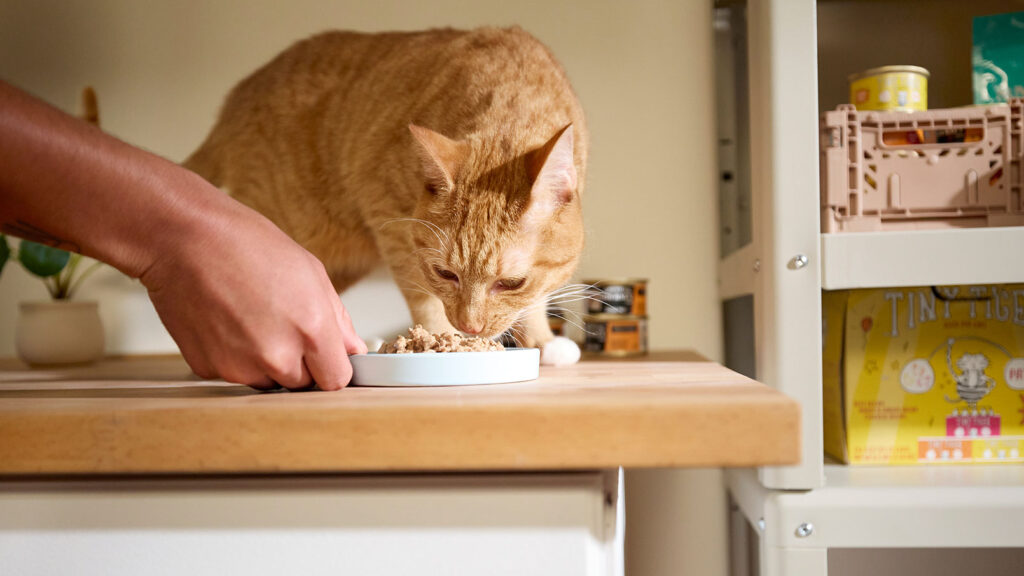
A balanced, protein-rich diet is the single biggest factor in your cat’s long-term health.
Cats are good at hiding when something is wrong. By the time most owners notice a problem, it has often been developing quietly for weeks or months. The good news is that the basics of cat health are straightforward and do not require a veterinary degree. Consistent nutrition, enough clean water, regular observation and timely vet visits cover most of what your cat needs to live a long, healthy life.
This guide covers everything cat owners in Australia should know, from what to put in the bowl to the early warning signs worth taking seriously.
Nutrition Is the Foundation
Cats are obligate carnivores. Unlike dogs or humans, they cannot convert plant-based nutrients into the compounds their bodies need. Taurine, arachidonic acid and vitamin A must come directly from animal tissue. A diet built on plant proteins, grains or fillers will leave gaps in their nutrition over time, even if the cat appears healthy in the short term.
When reading a cat food label, the first three ingredients tell you most of what you need to know. A named protein source such as chicken, beef, lamb or fish should be at the top of that list. Ingredients like corn, wheat gluten, rice or meat by-product meal appearing first are a clear sign the food relies heavily on cheap fillers.
What to look for on a cat food label
- Named meat as the first ingredient — chicken, beef, lamb or fish
- Minimum 30% crude protein for adult cats, 35% for kittens
- Moisture content above 70% in wet food
- No artificial preservatives such as BHA, BHT or ethoxyquin
- Taurine listed explicitly in the ingredient panel
Wet Food vs Dry Food
This debate comes up constantly, and the answer is more nuanced than either side admits. Dry food is convenient, shelf-stable and helps some cats with dental surface contact, though it should not be relied upon as a complete dental solution. The significant drawback is moisture: dry food contains 6 to 12 percent water, while cats evolved to get the majority of their hydration from prey. A cat eating dry food exclusively is almost always in a mild state of chronic dehydration.
Wet food solves the hydration problem directly. A single 85g serve contains the equivalent of nearly a full bowl of water. For cats prone to urinary tract issues or kidney disease, this distinction is not minor. At Mishcats, the wet food range includes options from ZIWI Peak and Feline Natural, both built on high-meat-content, low-carbohydrate recipes that match how cats are built to eat.

Wet food provides both nutrition and hydration in every meal.
Freeze-Dried and Air-Dried Food
Freeze-dried and air-dried foods have grown significantly in popularity among cat owners who want the nutritional profile of a raw diet without the handling and storage complexity. The manufacturing process removes moisture at low temperatures, which preserves enzymes, vitamins and protein structures that high-heat cooking destroys.
These formats work well as a primary diet, a meal topper to add nutritional density, or a high-value treat. For cats with food sensitivities or poor coat condition, switching to a freeze-dried or air-dried diet is often the first recommendation from veterinary nutritionists. You can explore the full freeze-dried cat food range and air-dried options at Mishcats.
If you prefer complete control over every ingredient, Mishcats also provides a range of vet-approved homemade cat food recipes formulated by Australian Board Certified Veterinary Nutritionists from the Veterinary Nutrition Group.
Hydration: The Most Overlooked Factor
Veterinary research consistently links chronic dehydration in cats to urinary crystals, kidney disease and bladder inflammation. These conditions are among the most common and costly health problems seen in domestic cats, and they are largely diet-related.
Most cats do not drink enough from a still water bowl. In the wild, cats associate still water with potential contamination and instinctively prefer moving water. A circulating cat water fountain changes this behaviour immediately for most cats, encouraging consistent intake throughout the day.
A cat on a dry-only diet and a still water bowl is likely consuming less than half the moisture their body needs daily.
Practical steps to improve hydration:
- Switch some or all meals to wet food
- Place water bowls away from the food bowl — cats prefer this by instinct
- Use a circulating water fountain to encourage consistent drinking
- Add a small amount of low-sodium bone broth to meals
- Offer multiple water stations around the home
Weight Management
Overweight cats are at significantly higher risk of diabetes, joint disease, liver problems and a shortened lifespan. In Australia, estimates suggest more than 40 percent of domestic cats are overweight or obese. The causes are predictable: high-carbohydrate dry food, free-feeding throughout the day, limited movement and insufficient play.
Cats do not need carbohydrates. Their livers lack the enzyme machinery to efficiently process large amounts of starch and sugar. When a diet is built around grain-heavy dry food, excess carbohydrates are stored as fat. Moving to a high-protein, lower-carbohydrate diet is the most effective dietary change for a cat that needs to lose weight.
Structured meal times, rather than free-feeding, give you accurate control over how much your cat is actually eating. Two measured meals per day is the standard recommendation for most healthy adult cats. Puzzle feeders are a useful tool here — they slow down eating, reduce boredom-driven overeating and provide mental stimulation at the same time.

You should be able to feel your cat’s ribs without pressing hard.
Warning Signs Worth Taking Seriously
Because cats instinctively hide illness, the signs of a health problem are often subtle at first. Knowing what to watch for means you are more likely to catch something early, when it is easier and cheaper to treat.
Changes in eating and drinking
A sudden decrease in appetite lasting more than 24 hours, or a sharp increase in water intake, both warrant attention. Increased thirst in particular is a common early indicator of diabetes or kidney disease in older cats.
Litter box changes
Straining to urinate, going outside the box, blood in the urine, or producing no urine at all are urgent symptoms. A blocked urethra is a veterinary emergency that can become life-threatening within hours. Cats on a diet lacking sufficient moisture are at higher risk of developing these conditions.
Coat and grooming changes
A healthy cat grooms regularly. A dull, matted or greasy coat, or a cat that has stopped grooming altogether, often signals pain, illness or a nutritional deficiency. Conversely, excessive grooming that creates bald patches can indicate stress or a skin condition. Diet quality directly affects coat condition, and many owners notice significant improvement after switching to a higher-protein, grain-free food.
Behavioural shifts
Hiding more than usual, increased aggression, vocalising more at night and sudden changes in social behaviour can all reflect pain or illness. Cats that are unwell frequently withdraw and become less interactive. Any change in normal behaviour that persists beyond two or three days deserves attention.
Go to the vet promptly if you notice
- No urination for more than 12 hours
- Rapid breathing or open-mouth breathing
- Collapse or inability to stand
- Seizures or sudden disorientation
- Rapid or unexplained weight loss
- Persistent vomiting more than three times in a day
Building a Healthy Daily Routine
Good cat health is mostly a result of consistent daily habits rather than dramatic interventions. The following routine covers the essentials for most healthy adult cats.
- Two structured meals per day at consistent times, using a high-quality wet food or freeze-dried food as the base
- Fresh water daily, ideally from a circulating fountain placed away from the food bowl
- At least two play sessions per day of 10 to 15 minutes to maintain a healthy weight and mental wellbeing
- Weekly physical check — run your hands along their body and check eyes, ears and gums
- Annual vet visit for adults, and every six months for kittens and seniors over seven years
- Keep vaccinations and parasite prevention current, including heartworm in areas where it is prevalent
None of this is complicated. The cumulative effect of these habits over months and years is a significantly healthier cat with a longer, better-quality life.

