Senior Cat Diet: What to Feed Cats Over 7 Years Old
From age 7, cats begin a gradual shift in their nutritional needs that most standard adult foods are not designed to address. Getting the diet right at this stage makes a measurable difference to how well and how long your cat lives.
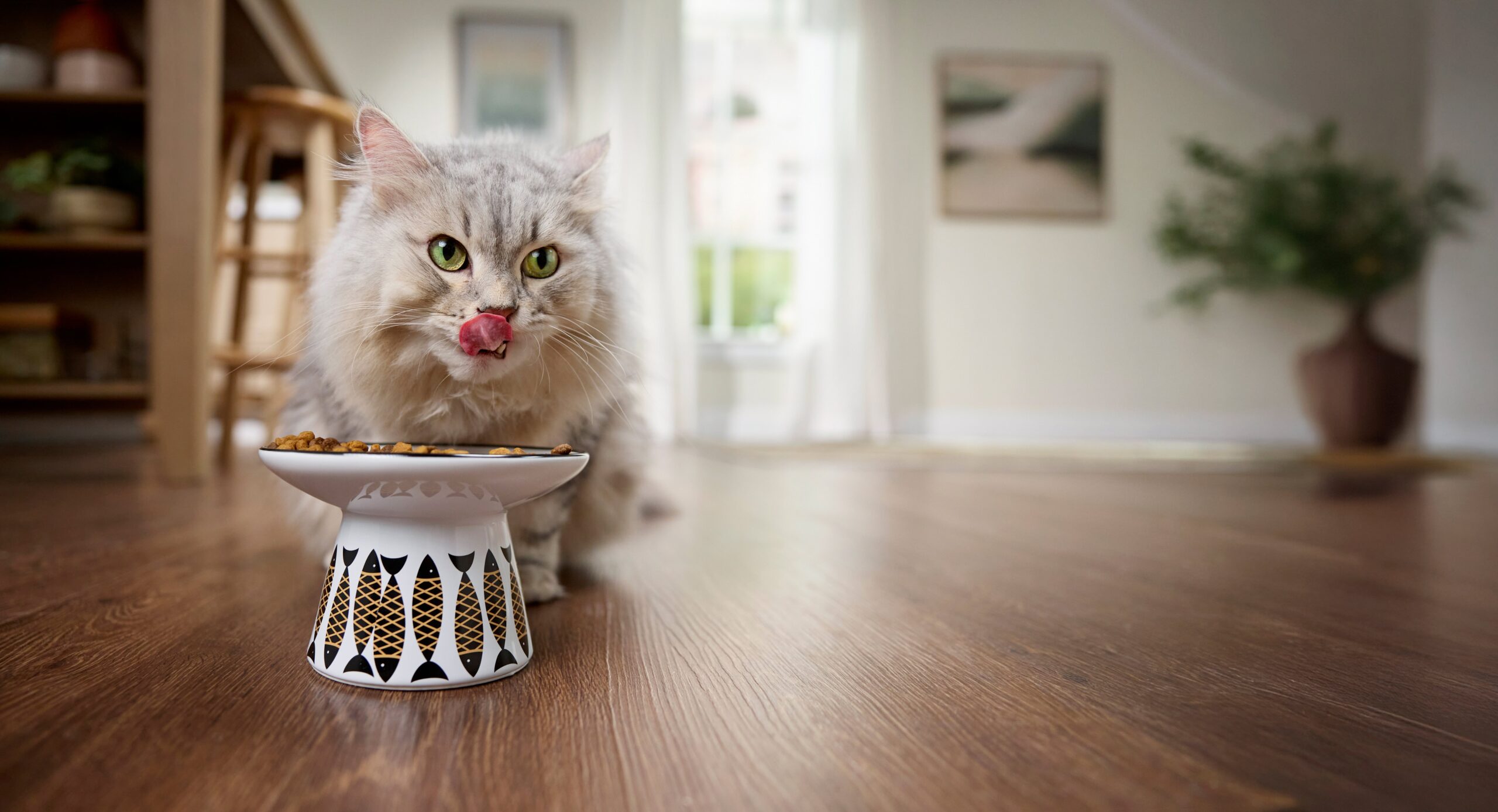
Senior cats from age 7 have different nutritional needs that require a different approach to feeding.
Most cat owners do not change their cat’s diet at age 7. The cat seems fine, is eating well and shows no obvious signs of aging. This is understandable, but it misses an important window. The years between 7 and 10 are when preventive nutrition has the greatest impact on the conditions, including kidney disease, muscle wasting and hyperthyroidism, that define cat aging and often determine lifespan.
This guide covers what changes in a cat’s body after 7, what to look for in a senior cat food and when to involve a veterinary nutritionist. For a complete overview of cat health across all life stages, the Mishcats cat health guide covers nutrition, warning signs and daily routines in detail.
What Changes After Age 7
Muscle mass declines
From around age 7, cats begin losing muscle mass at an accelerating rate in a process called sarcopenia. This is not simply about being less active. The ability to synthesise protein from dietary sources decreases with age, which means a senior cat needs a higher protein intake than a younger adult cat just to maintain the same amount of muscle. Many commercial senior cat foods reduce protein content, which is the opposite of what most aging cats need.
Kidney function decreases
Chronic kidney disease is the most common serious health condition in senior cats. Studies suggest that between 30 and 50 percent of cats over 15 have some degree of kidney impairment, and changes begin much earlier. Adequate hydration becomes increasingly important as kidney function declines, making a wet-food-primary diet more critical in senior cats than at any other life stage.
Digestive efficiency drops
Older cats absorb fat and protein less efficiently from their food. This means that even on the same diet, a senior cat may not be extracting the same nutritional value they were at age 3. Highly digestible, nutrient-dense food with named animal proteins helps compensate for this reduced absorption capacity.
Metabolic rate shifts
Senior cats show significant individual variation in metabolic rate. Some cats over 7 become less active and need fewer calories to maintain weight. Others, particularly those developing hyperthyroidism or experiencing muscle loss, need the same or higher calorie intake to prevent dangerous weight loss. This is why body condition assessment, rather than age-based calorie reduction, is the right approach.
Many cats over 7 need more protein, not less. Reducing protein in a senior cat’s diet accelerates the muscle loss that aging already causes.
What to Feed a Senior Cat
High-quality animal protein
Protein should remain the primary focus of a senior cat’s diet. Look for a named meat source as the first ingredient: chicken, beef, lamb, fish or venison. Avoid foods where the protein content is inflated by plant-based sources like pea protein, which do not provide the amino acid profile cats require from animal tissue.
Senior cats with early or mid-stage kidney disease require protein management under veterinary guidance, but the approach is more nuanced than simply reducing protein. Phosphorus restriction is often more important than protein restriction in the early stages.
Wet food as the primary diet
Wet food is especially important for senior cats for two reasons: it supports hydration as kidney function naturally declines, and it is easier to eat for cats experiencing dental discomfort, which becomes more common with age. A senior cat eating dry food as their sole diet is placing avoidable strain on kidneys that are already working less efficiently.

High-protein, grain-free wet food. Suitable for senior cats needing quality protein and hydration support.
Lower phosphorus where appropriate
Phosphorus accelerates kidney disease progression in cats that already have compromised kidney function. For cats with diagnosed kidney disease, a phosphorus-restricted diet formulated by a veterinary nutritionist is part of the standard management approach. For healthy senior cats, choosing foods that are not extremely high in phosphorus as a preventive measure is reasonable.
Adequate calories to maintain muscle
Do not reduce your senior cat’s calories unless they are visibly overweight and a vet has recommended it. Many owners reduce food as cats age because they assume less activity means less food is needed. For a cat losing muscle mass, this compounds the problem. Weigh your cat every four to six weeks and adjust based on actual body condition rather than assumed need.

Wet food becomes even more important for senior cats as kidney function naturally declines with age.
Feeding Senior Cats with Health Conditions
Many cats over 7 develop health conditions that require dietary modification beyond what standard senior foods provide. The most common are kidney disease, hyperthyroidism, diabetes and dental disease.
Kidney disease
Cats with diagnosed chronic kidney disease need a diet that reduces phosphorus load, maintains adequate hydration and provides enough high-quality protein to prevent muscle wasting without overwhelming damaged kidneys. This balance is best managed with a vet-formulated diet rather than a standard commercial senior food. The Mishcats vet-approved recipe library includes multiple renal-specific recipes developed by Australian Board Certified Veterinary Nutritionists.
Browse Renal Cat Food RecipesHyperthyroidism
Hyperthyroid cats have an overactive thyroid that dramatically increases metabolism, causing weight loss and increased appetite despite adequate food intake. Diet management focuses on maintaining calorie and protein intake to slow muscle wasting while medical treatment addresses the thyroid condition itself. Iodine restriction is one dietary approach used in some cases, but it requires strict compliance and veterinary oversight.
Diabetes
Diabetic cats benefit significantly from a low-carbohydrate, high-protein diet, which helps stabilise blood glucose. A wet-food-primary or freeze-dried diet is generally recommended because these formats are naturally lower in carbohydrates than dry food. Consistent meal timing is also important for diabetic cats managed with insulin.
Dental disease
Dental disease is extremely common in cats over 7 and can significantly affect food intake. A cat with mouth pain may eat less, eat more slowly or show a sudden preference for softer foods. Wet food or rehydrated freeze-dried food is much easier to eat than dry kibble for a cat experiencing dental discomfort.
Warning signs that warrant a vet visit in senior cats
- Gradual weight loss over weeks without a change in diet
- Increased thirst and urination
- Increased appetite alongside weight loss, which may indicate hyperthyroidism
- Reduced appetite or reluctance to eat hard food
- Changes in litter box habits or urine output
- Matted coat or reduced grooming
- Increased vocalising, particularly at night
Daily Routine for Senior Cats
Beyond diet, the daily routine for a senior cat benefits from several adjustments that support aging joints, reduced sensory acuity and changing sleep patterns.
- Two to three smaller meals per day rather than two large ones, as digestive efficiency decreases with age
- Fresh water at multiple locations, ideally from a circulating fountain to encourage consistent drinking as thirst response decreases
- Gentle daily play of 5 to 10 minutes to maintain joint mobility and mental engagement without overexertion
- Vet checks every 6 months from age 7, including blood and urine panels to catch kidney, thyroid and other age-related changes early
- Body condition assessment every 4 weeks to track muscle mass and weight rather than waiting for visible change
For a personalised daily food amount based on your senior cat’s current weight, age and activity level, the Mishcats cat food calculator provides a starting point that you can refine with your vet.
Calculate Your Senior Cat’s Daily Food Amount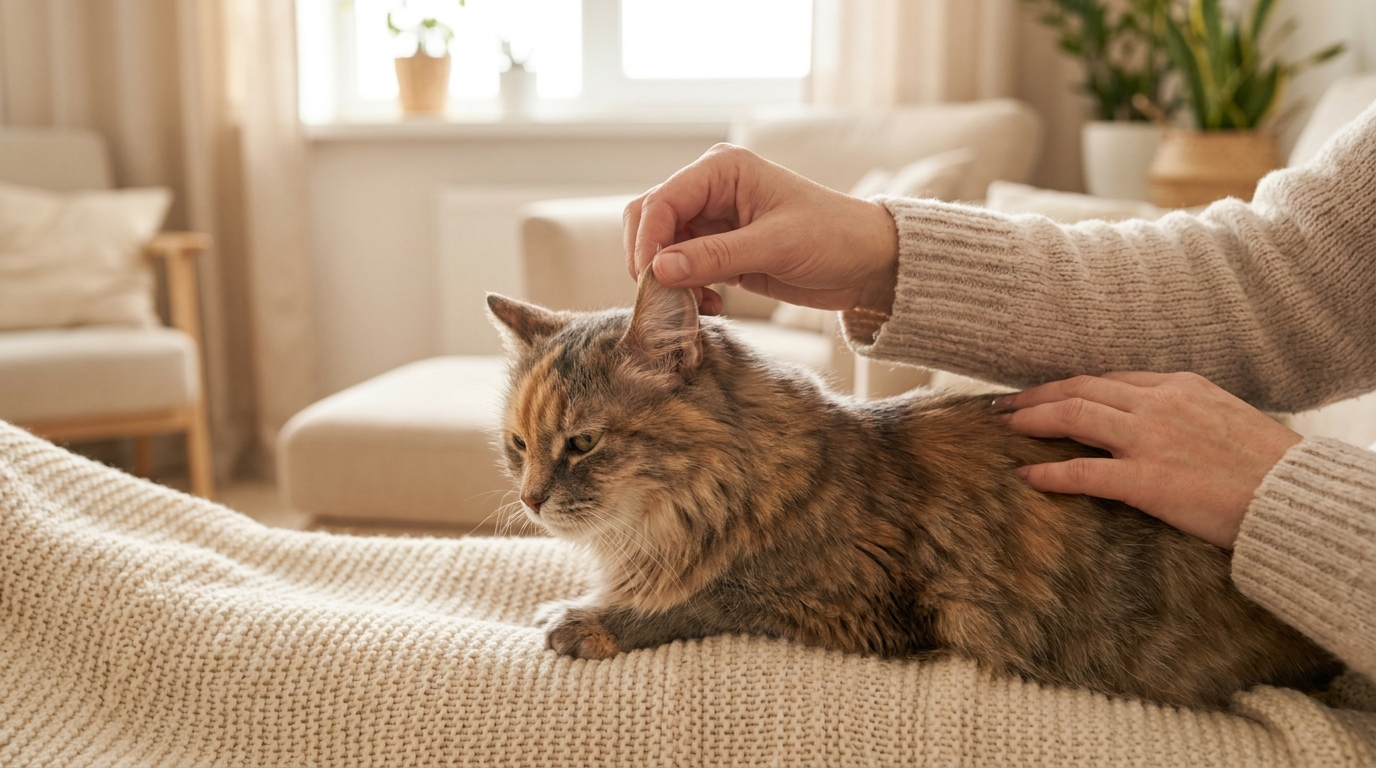
Regular vet checks every 6 months from age 7 help catch health changes before they become serious.