Cat Food for Urinary Health: What to Feed and What to Avoid
Urinary disease is one of the most common health problems in domestic cats, and diet is the single most controllable factor. What you put in your cat’s bowl every day either supports urinary health or quietly works against it.
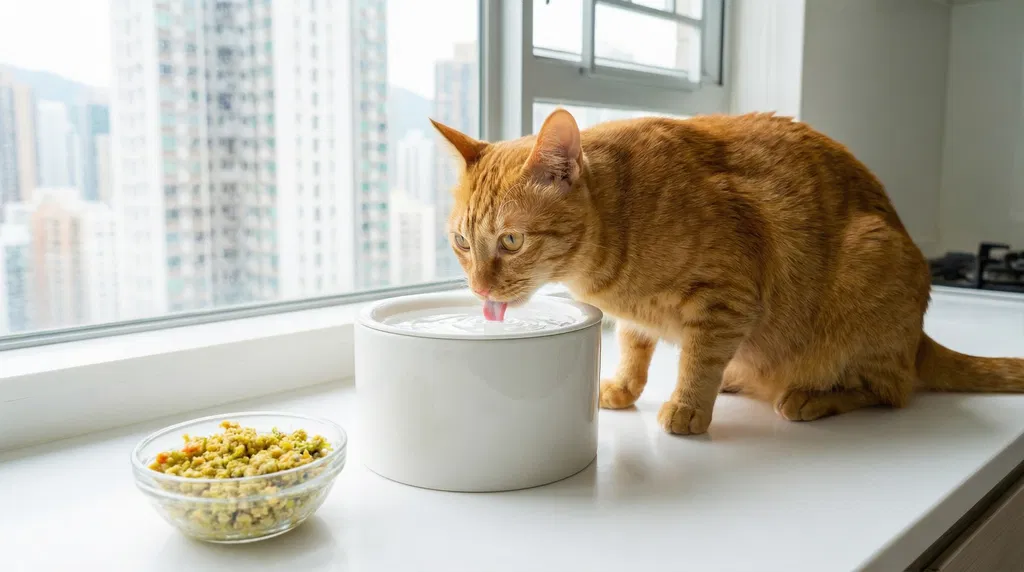
Diet is the most controllable factor in preventing and managing urinary problems in cats.
Urinary tract problems affect a significant proportion of cats at some point in their lives. Struvite crystals, calcium oxalate crystals, feline idiopathic cystitis and lower urinary tract disease collectively represent one of the most frequent reasons Australian cat owners visit the vet. What connects almost all of these conditions is the same underlying factor: chronic dehydration from a diet built on dry food.
The good news is that dietary change is one of the most effective interventions available. This guide covers exactly what to feed, what to avoid and what to watch for. For a broader overview of cat health and nutrition, the Mishcats cat health guide is a useful companion read.
Why Diet Affects Urinary Health
The urinary tract in cats depends on dilute, well-flushed urine to function without problems. When urine is concentrated, the minerals it contains, primarily magnesium, phosphorus and calcium, reach saturation point and begin forming crystals. Those crystals can irritate the bladder lining, block the urethra or accumulate into stones that require veterinary treatment or surgery.
The most direct driver of concentrated urine is insufficient water intake. Cats evolved to obtain the majority of their hydration from prey, which is roughly 70 percent water. Dry kibble contains 6 to 12 percent water. A cat eating dry food as their sole diet is structurally unable to drink enough from a bowl to compensate for that deficit, and the result is chronically concentrated urine that creates ideal conditions for urinary disease.
Cats on dry-food-only diets produce urine that is two to four times more concentrated than cats eating primarily wet food. That concentration is what creates crystals.
Diet also affects urine pH. Struvite crystals form in alkaline urine, while calcium oxalate crystals form in overly acidic urine. A high-protein, meat-based diet naturally produces mildly acidic urine that discourages struvite formation without tipping the balance toward oxalate crystals. High-carbohydrate diets tend to produce more alkaline urine, which is less favourable for urinary health in most cats.
What to Feed for Urinary Health
Wet food as the primary diet
Switching to a wet-food-primary diet is the single most impactful dietary change for a cat with urinary problems or a history of urinary disease. Each serve of wet food contributes meaningful hydration directly, reducing urine concentration without relying on the cat to drink more from a bowl.
The improvement in urine dilution after transitioning to wet food is rapid and measurable. Many cats with recurrent cystitis or struvite crystals show significant clinical improvement within weeks of switching. For cats already diagnosed with urinary disease, this transition should be discussed with a vet to ensure it complements any medical treatment.

High-moisture, grain-free. Supports urinary health through hydration with every meal. No artificial additives.
High-quality animal protein
A diet built on named animal protein as the first ingredient produces urine with a natural, mildly acidic pH that is less conducive to struvite crystal formation. It also provides the amino acids cats need without the plant-based fillers that push urine pH in the wrong direction. Look for chicken, beef, lamb, fish or venison as the primary ingredient.
Low carbohydrates
High-carbohydrate diets contribute to alkaline urine and reduce the cat’s overall metabolic efficiency. Choosing a low-carbohydrate wet food or a freeze-dried diet keeps the diet close to what a cat’s physiology is designed to process, which supports not just urinary health but overall metabolic function.
Fresh water from a moving source
Even on a wet-food-primary diet, additional water intake is beneficial for cats with urinary health concerns. Most cats drink significantly more from a circulating water fountain than from a still bowl, because their instinct associates moving water with freshness and safety. Placing the fountain away from the food bowl also encourages more frequent drinking.
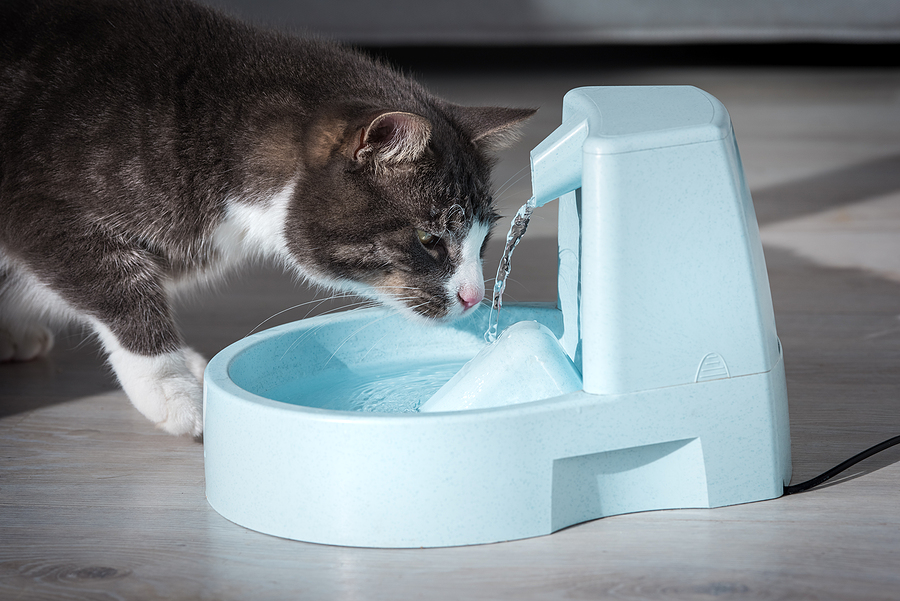
Most cats drink significantly more from a circulating fountain than from a still water bowl.
What to Avoid
Certain ingredients and feeding practices consistently appear in the history of cats with recurrent urinary problems. Avoiding these reduces risk significantly, particularly for cats that have already had one urinary episode.
Avoid these for urinary health
- Dry food as the sole diet — it is the primary dietary contributor to concentrated urine
- Foods with high magnesium or phosphorus from unspecified ash sources
- High-carbohydrate formulas that alkalise urine, including most grain-heavy dry foods
- Artificial preservatives and colourings that add unnecessary chemical burden
- Free-feeding dry food throughout the day, which removes hunger-driven water intake around meals
- Fish-heavy diets as the sole protein for cats prone to calcium oxalate crystals, as some fish are high in oxalates
The magnesium content of a food is worth checking for cats with a struvite history. Many budget dry foods use low-quality meat meal with high ash content, which elevates the mineral load in urine. Foods listing a named meat source with a low or specified ash percentage are a better choice.
Warning Signs of Urinary Problems
Urinary disease in cats often develops quietly before becoming obvious. Knowing what to watch for means you are more likely to intervene before a minor problem becomes a serious one.
Signs that need same-day vet attention
- Straining to urinate with little or no output for more than a few hours
- Complete inability to urinate — this is an emergency
- Crying or vocalising when attempting to urinate
- Visible blood in urine
- Lethargy alongside any of the above
Signs worth monitoring and discussing with a vet
- Frequent trips to the litter box with small amounts of urine each time
- Urinating outside the litter box, particularly on cool surfaces like tiles or bathtubs
- Excessive licking of the genital area
- Urine that appears darker than usual or has a strong odour
A blocked urethra, which can develop from crystal or mucus accumulation, is life-threatening within hours. Male cats are at significantly higher risk due to their narrower urethra. Any male cat showing signs of urinary straining should be seen by a vet the same day without exception.
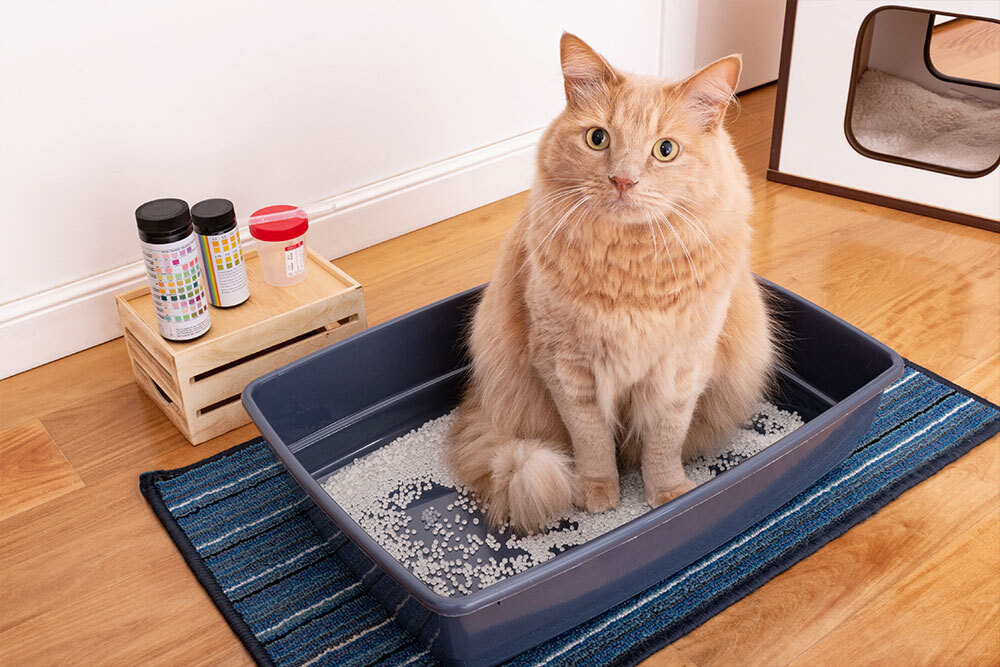
Frequent trips to the litter box with little output is one of the earliest signs of urinary tract disease in cats.
Managing Urinary Health Long Term
For cats with a diagnosed urinary condition or a history of recurring episodes, long-term management involves both dietary and environmental changes.
- Keep wet food as the primary meal every day, not just during flare-ups
- Provide multiple water sources, ideally including a circulating fountain placed away from food bowls
- Maintain a consistent routine — stress is a significant trigger for feline idiopathic cystitis, and unpredictable schedules contribute to stress
- Keep the litter box clean — cats that avoid a dirty litter box hold their urine longer, which increases crystal formation risk
- Schedule regular vet checks, including urine analysis, at least once a year for cats with a urinary history
For cats with specific conditions such as recurrent struvite or oxalate crystals, a vet-formulated diet matched to the crystal type is the most targeted approach. The Mishcats vet-approved recipe library includes urinary-specific homemade recipes developed by Australian Board Certified Veterinary Nutritionists.
Calculate Your Cat’s Daily Food Amount