Why Is My Cat Not Eating? Common Causes and What to Do
A cat that stops eating is always worth taking seriously. Unlike dogs, cats cannot go without food for long before a dangerous liver condition sets in. Understanding why your cat is refusing food is the first step toward getting them eating again.

A cat that has not eaten for more than 24 hours should be seen by a vet.
Most cat owners have experienced the moment their cat walks up to a full bowl, sniffs it and walks away. Occasional food rejection is normal. A cat that consistently refuses meals, or that has stopped eating entirely, is a different situation. Cats can develop a serious liver condition called hepatic lipidosis within 24 to 48 hours of not eating, which makes food refusal one of the few cat health concerns that genuinely cannot wait.
This guide covers the most common medical and behavioural reasons cats stop eating, practical steps to encourage a reluctant eater and clear guidance on when to see a vet. For a broader overview of cat health and what warning signs to watch for, the Mishcats cat health guide is a useful starting point.
Why Cats Stop Eating: Medical Causes
When a cat stops eating, illness is the most important cause to rule out first. Cats are expert at concealing discomfort, and food refusal is often the first visible sign that something is wrong.
Dental pain
Dental disease is one of the most underdiagnosed causes of appetite loss in cats. A cat with an infected tooth, inflamed gums or a mouth ulcer will often approach food and then retreat, or eat only on one side of the mouth. If your cat shows interest in food but does not eat, dental pain is a strong possibility. Annual dental checks are part of a cat’s standard preventive care.
Nausea and digestive issues
Nausea from hairballs, an upset stomach, a food that does not agree with them or a sudden dietary change can all suppress appetite in the short term. A cat that vomits and then stops eating, or that repeatedly licks their lips and swallows without eating, is likely experiencing nausea.
Kidney disease
Loss of appetite is a classic sign of chronic kidney disease in cats, particularly in older animals. Cats with kidney disease often also drink more water than usual and lose weight gradually over weeks or months before owners notice. If your cat is over 7 years old and has reduced their food intake, kidney disease is worth ruling out at the vet.
Respiratory illness
Cats rely heavily on scent to assess food before eating. A cat with a blocked or runny nose due to an upper respiratory infection may reject food simply because they cannot smell it properly. Warming the food to release aroma can help in the short term, but the underlying infection needs treatment.
Pain elsewhere in the body
Arthritis, injury, abdominal pain and internal disease can all suppress appetite without any obvious outward sign. A cat that is hunched, reluctant to be touched, hiding or moving differently alongside reduced food intake should be seen by a vet promptly.
Cats that go without food for more than 48 hours are at serious risk of hepatic lipidosis, a liver condition that can be fatal if untreated.
Behavioural and Environmental Causes
Not all food refusal is medical. A significant proportion of cases where cats stop eating are driven by stress, preference or feeding habits that have become problematic over time.
Stress and environmental change
Cats are creatures of routine and are highly sensitive to change. Moving house, a new pet or person in the home, changes to feeding times, building work nearby or even rearranged furniture can all cause a temporary but genuine loss of appetite. Stress-related food refusal usually resolves within a day or two once the cat adjusts, but if it extends beyond 24 hours without eating, a vet visit is still recommended.
Food transition done too quickly
Switching from one food to another too quickly is one of the most common causes of food refusal in cats. Cats form strong sensory preferences for the specific texture, temperature and aroma of familiar foods. An abrupt change, even to a higher-quality product, often triggers rejection. The standard approach is to mix a small amount of new food into the existing food and increase the ratio gradually over 7 to 10 days.
Bowl and serving issues
Cats are more particular about how food is served than most owners realise. A deep narrow bowl causes whisker fatigue, a genuine sensitivity that makes eating uncomfortable. A bowl that retains odours from previous meals, even after washing, can put a cat off. Food served directly from the refrigerator is often rejected because cold suppresses aroma. These issues are easy to correct once identified.
Flavour fixation
A cat that has eaten the same food for months or years can become so accustomed to it that any variation triggers rejection. Paradoxically, a cat that only accepts one food is also at higher nutritional and practical risk because any change becomes genuinely difficult. Rotating proteins regularly from an early age prevents this from developing.
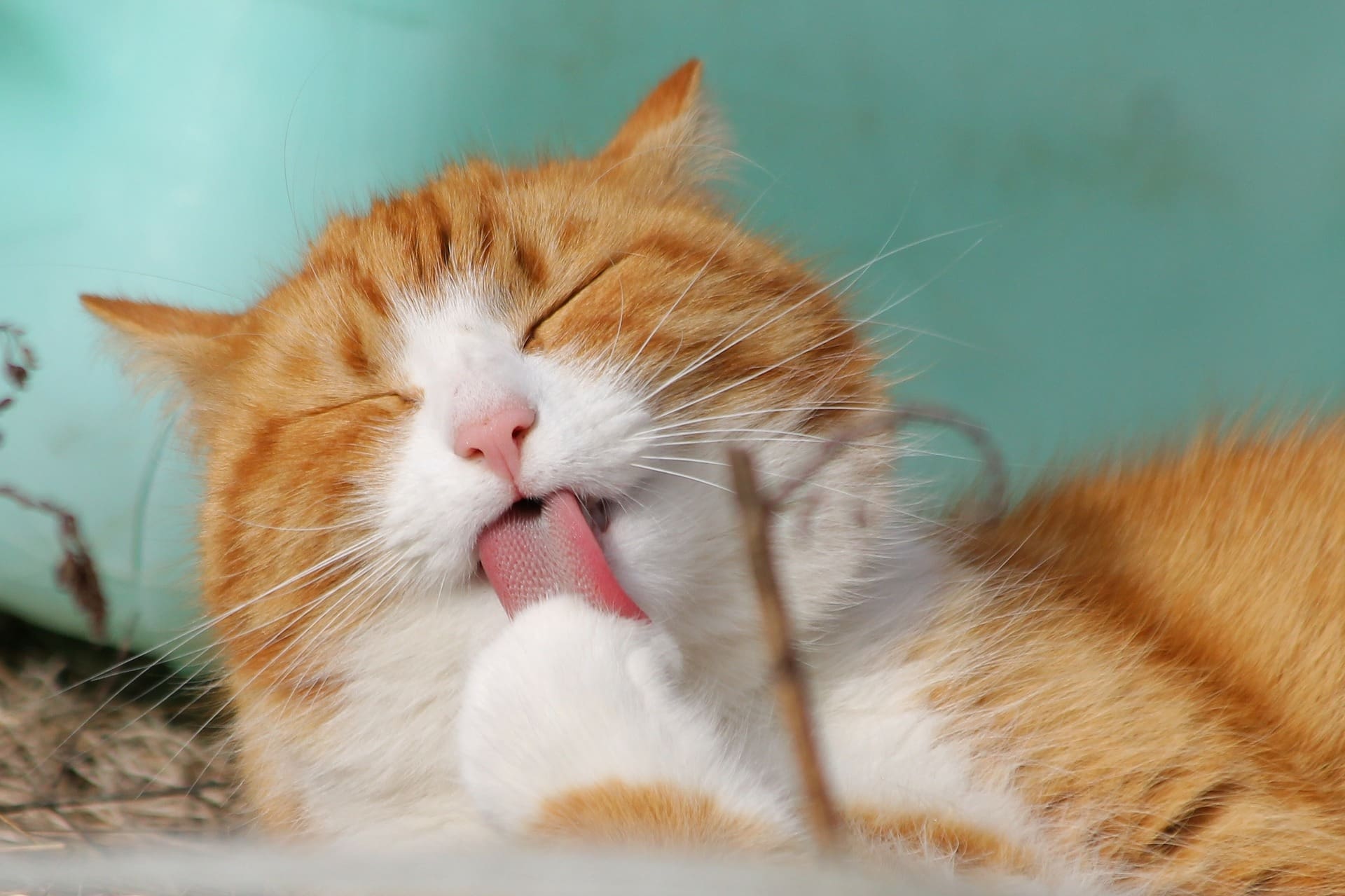
Cats that sniff food and walk away are often experiencing nausea, dental pain or a serving issue rather than true fussiness.
How to Encourage a Cat to Eat
If your cat is not eating and you have ruled out obvious medical causes or are waiting for a vet appointment, the following approaches can help encourage intake.
- Warm the food slightly. Heating wet food to just below body temperature releases aroma and makes it far more appealing, particularly for cats with reduced sense of smell or mild nausea.
- Switch to a wide, shallow dish. This avoids whisker contact and makes food more accessible for cats that are tentative about eating.
- Offer a different protein. If your cat is rejecting a familiar food, a different protein such as fish instead of chicken can trigger interest. Small amounts of a high-value treat or food topper can also stimulate appetite.
- Try a freeze-dried topper. Freeze-dried food is extremely palatable and can be crumbled over wet food to encourage eating in reluctant cats.

100% chicken breast. Single ingredient, no additives. Ideal for appetite stimulation.

Crumble over wet food to boost aroma and palatability for reluctant eaters.
- Feed in a quiet, low-traffic location. Cats that are stressed or unwell often eat better when away from noise, other pets and household activity.
- Stick to consistent meal times. Offering food at predictable intervals makes it easier for a cat to build appetite between meals rather than grazing and losing interest.
When to See a Vet
The threshold for concern with cat food refusal is lower than most owners assume. Because of the hepatic lipidosis risk, do not wait to see if the situation resolves on its own.
See a vet if your cat
- Has not eaten anything for more than 24 hours
- Is eating significantly less than usual for more than two days
- Is vomiting alongside food refusal
- Is lethargic, hiding or less interactive than normal
- Is losing weight noticeably over days or weeks
- Is drinking significantly more or less water than usual
- Shows interest in food but does not eat, which may indicate dental pain
- Is a kitten or senior cat, as both groups are at higher risk from short fasting periods
The Role of Diet Quality in Appetite
A cat that consistently shows low enthusiasm for meals, picks at food or eats erratically may be signalling that the food itself is not meeting their needs. Poor-quality food high in fillers and artificial flavours can create inconsistent appetite signals, while a high-protein, species-appropriate diet tends to produce more consistent, healthy hunger patterns.
If your cat has a history of digestive sensitivity, vomiting after meals or chronic low-grade food refusal, a diet review is worth considering alongside any vet investigation. The Mishcats vet-approved recipe library includes single-protein and hypoallergenic options developed specifically for cats with food sensitivities.
Browse Vet-Approved Recipes for Sensitive Cats
A gradual transition to a higher-quality diet often resolves chronic low-appetite issues in cats.